
















להפוך ל-autónomo בספרד: מדריך הרישום המעשי שלכם ללא בירוקרטיה
במאמר זה
השגתם לקוח פרילנס בספרד, אבל מה צריך לעשות לפני שמוציאים לו חשבונית? התחילו בהפרדה בין הרישום במרשם של רשות המסים הספרדית (Agencia Tributaria) לבין הרישום בביטוח הלאומי הספרדי (Seguridad Social), ובדקו אילו דרישות חלות על הפעילות שלכם. ליווי מקצועי הופך את הסיוט הבירוקרטי הזה לתהליך מקוון פשוט שמסתיים תוך ימים, לא שבועות. הנה מה להכין, איך שני הרישומים עובדים ואילו חובות שוטפות כדאי לתכנן מראש.
מבוא: מדוע הרישום כ-autónomo חשוב
RETA חל, ככלל, על פעילות כלכלית או מקצועית עצמאית המתבצעת באופן קבוע, אישי וישיר למטרת רווח. TGSS מציינת שהרישום נדרש עבור פעילות אישית וקבועה, ללא קשר להכנסה שהיא מניבה. סכום של חשבונית בודדת אינו מכריע כשלעצמו אם נדרש רישום ב-RETA. הרישום במרשם של רשות המסים הספרדית הוא חובה נפרדת; בדקו את שתי הדרישות לפני שאתם מתחילים, יחד עם כל היתר עבודה נדרש.
מעצבים, יועצים ונוודים דיגיטליים — כולם עשויים להידרש לשקול את ההליכים האלה. השאלות הרלוונטיות הן כיצד והיכן אתם מבצעים את הפעילות, ולא רק היכן ממוקם הלקוח שלכם.
לפני שמתחילים, בררו מהן חובות הרישום והדיווח שלכם במקום להסתמך על גובה החשבונית הראשונה. לזכאות לשירותי בריאות, לקצבאות כספיות ולניכויי מס יש תנאים נפרדים, שמוסברים בהמשך.
נקודת ההתחלה המעשית היא לבדוק את פרטי ההגשה מול AEAT ומול RETA בנפרד מדרישות ההגירה ומכל רישיון מקומי או רישיון ייעודי לפעילות. אספו את המידע הדרוש לכל הליך לפני ההגשה.
מה בעצם המשמעות של להיות autónomo?
autónomo הוא הסיווג המשפטי בספרד לעובדים עצמאיים ולפרילנסרים. כשאתם נרשמים כ-autónomo, אתם מצהירים על עצמכם כבעלי מקצוע עצמאיים האחראים למסים שלכם, לדמי הביטוח הלאומי שלכם ולניהול העסק שלכם.
המעמד שונה מהעסקה שכירה רגילה. כשכירים, המעסיק מטפל בניכויי השכר ובדמי הביטוח של ההעסקה. כ-autónomo אתם מנהלים בעצמכם את חובות הדיווח והתשלום שלכם; סוגי הדוחות ותדירות ההגשה תלויים בפעילות שלכם ובמשטר המס החל עליכם.
הרישום כולל הצהרה על הפעילות הכלכלית שלכם בפני רשות המסים הספרדית, בחירת סיווג הפעילות המתאים והסדרת הרישום ב-RETA כאשר הוא נדרש. דוחות המס שלכם תלויים בפעילות ובמשטר המס; בדקו אם חלים עליכם modelo 130, דוחות מע״מ ודוח שנתי למס הכנסה.
עובדים עצמאיים המסונפים ורשומים בביטוח הלאומי הספרדי, או במעמד מקביל, נמנים עם הזכאים לשירותי בריאות במימון ציבורי. בדקו את ההכרה בזכאותכם מול INSS. לקצבאות כספיות, לרבות פנסיה עתידית המבוססת על דמי הביטוח ששולמו, יש תנאי זכאות משלהן; הרישום כשלעצמו אינו מבטיח כל קצבה. פיגורים בתשלום דמי הביטוח עלולים לפגוע בזכאות לקצבאות כספיות: בדקו את מצבכם האישי מול הביטוח הלאומי הספרדי. ראו את הנחיות INSS בנוגע לזכאות לשירותי בריאות. גם הוצאות עסקיות עשויות להיות מותרות בניכוי, בכפוף לכללי ניכוי המס החלים.
עצמאות יכולה להתאים לכותבים, מפתחים, מעצבים, יועצים, מאמנים, צלמים ומתרגמים. לפני שאתם בוחרים במבנה הזה, בדקו אילו דרישות מקצועיות או דרישות ייעודיות לפעילות חלות על העבודה שלכם.
מי צריך להירשם כ-autónomo בספרד?
שירות הרישום של TGSS מגדיר פעילות כלכלית אישית וקבועה כפעילות המחייבת רישום, ללא קשר להכנסה. דוגמאות לעבודה שכדאי לבחון מול הכלל הזה:
- בעלי מקצוע עצמאיים המספקים שירותים לחברות ספרדיות
- יועצים העובדים עם לקוחות מהאיחוד האירופי או מהעולם בזמן שהם גרים בספרד
- נוודים דיגיטליים המפיקים הכנסה דרך פלטפורמות מקוונות
- בעלי מקצועות יצירתיים כמו מעצבים, כותבים או צלמים
- מומחים טכניים כמו מפתחים, מהנדסים או יועצי IT
- מאמנים, מדריכים ומחנכים המציעים שירותים בתשלום
- פעילויות מקצועיות עצמאיות אחרות
הן פונים מהאיחוד האירופי והן פונים מחוץ לאיחוד צריכים לבדוק את דרישות המס ודרישות הביטוח הלאומי החלות על הפעילות שלהם. אם אתם מחוץ לאיחוד האירופי, בדקו גם שמעמד ההגירה שלכם מתיר את הפעילות העצמאית שאתם מתכננים לבצע. הרישום אינו מחליף את ההיתר הזה.
סכום חשבונית נמוך אינו פטור בטוח מרישום, אבל גם סכום של חשבונית בודדת אינו מקים כשלעצמו חובת רישום ב-RETA. בחנו את אופי הפעילות ואת מידת הקביעות שלה, ובדקו את חובת הרישום הנפרדת במרשם של רשות המסים הספרדית לפני שאתם מתחילים.
אם אתם משלבים עבודה כשכירים עם עבודת פרילנס, או עובדים בין מדינות, בחנו כל פעילות בנפרד. אל תניחו שלקוח זר, חברה בחו״ל או שהות קצרה בספרד מבטלים את החובות שלכם בספרד.
אם מצבכם אינו ברור, קבלו ייעוץ לגבי הרישומים החלים עליכם לפני שאתם מתחילים.
דרישות ומסמכים חיוניים לרישום
הכינו את המידע עבור כל רישום בנפרד. רשימת ה-RETA שלהלן אינה רשימת מסמכים אוניברסלית להליכי מס, הגירה או רישוי.
מידע שצריך להכין
בהליכים מול רשות המסים הספרדית אתם זקוקים למספר זיהוי מס (NIF). אצל יחידים זרים זהו בדרך כלל ה-NIE. אם עדיין אין לכם NIE, בדקו את כללי הזיהוי של רשות המסים הספרדית ואת הדרישות הנפרדות לרישום בביטוח הלאומי. ראו את כללי ה-NIF של רשות המסים הספרדית.
לקראת הרישום ב-RETA הכינו את ה-DNI או ה-NIE שלכם, מספר ביטוח לאומי ספרדי (NUSS/NAF), תאריך תחילת הפעילות וכתובתה, פרטי קשר, קודי פעילות IAE ו-CNAE, הכנסה נטו צפויה ופרטי חשבון בנק. במהלך הבקשה אתם בוחרים בסיס לתשלום דמי הביטוח, כל הקלה בדמי הביטוח שחלה עליכם ואת חברת הביטוח ההדדית המשתפת פעולה (mutua). TGSS עשויה לבקש מידע נוסף או מסמכים תומכים בהתאם לנסיבותיכם. בדקו בנפרד אילו היתרי שהייה ועבודה נדרשים.
היעזרו ברשימת הבדיקה לרישום שבמדריך TGSS כדי להכין את הפרטים האלה. ספקו ראיות תומכות כשמבקשים מכם בהתאם למקרה שלכם; אל תתייחסו לדרכון, ל-padrón, לחוזה שכירות או לחשבון חשמל, מים או גז כאל רשימת נספחים אוניברסלית ל-RETA.
מסרו IBAN לחיוב דמי הביטוח בהוראת קבע, דרך בנק או מוסד פיננסי המשתף פעולה עם הביטוח הלאומי הספרדי. ודאו שהחשבון שלכם מתקבל לפני הרישום. אם החשבון אינו על שמכם, תזדקקו לפרטי הזיהוי של בעל החשבון ולהרשאתו.
דרישות נוספות לאזרחים מחוץ לאיחוד האירופי
אם אתם מחוץ לאיחוד האירופי, בדקו שמעמד ההגירה שלכם מתיר את הפעילות העצמאית שאתם מתכננים. עיינו בתנאים הספציפיים החלים עליכם, לרבות במקרה שהשהייה שלכם קשורה ללימודים; אל תסיקו היתר או איסור משם הוויזה בלבד.
אם אינכם בטוחים לגבי זכותכם לעבוד, בדקו את מסמכי ההיתר שלכם מול רשויות ההגירה או מול יועץ מוסמך לפני שתמשיכו.
הפרידו בין הרישום לבין היתרים אחרים
בדקו את פרטי ההגשה מול AEAT ומול RETA בנפרד מדרישות ההגירה ומכל רישיון מקומי או רישיון ייעודי לפעילות. רשימת בדיקה לרישום אינה מכריעה את הדרישות של ההליכים האחרים האלה.
| הליך או פרט | מה להכין או לבדוק |
|---|---|
| זיהוי מול רשות המסים הספרדית | NIF; אצל יחידים זרים בדרך כלל NIE. בדקו את כללי הזיהוי של AEAT במקרה שלכם |
| זהות ל-RETA | DNI או NIE ומספר NUSS/NAF |
| פעילות ל-RETA | תאריך התחלה, כתובת הפעילות, פרטי קשר, קודי IAE ו-CNAE |
| דמי ביטוח ב-RETA | הכנסה נטו צפויה, בסיס לתשלום, הקלה החלה עליכם ו-mutua משתפת פעולה |
| פרטי בנק ל-RETA | IBAN מתקבל דרך מוסד פיננסי משתף פעולה; הרשאת בעל החשבון במידת הצורך |
| הגירה ורישיונות | בדקו בנפרד בהתאם למעמדכם ולפעילות המתוכננת |
תהליך הרישום שלב אחר שלב
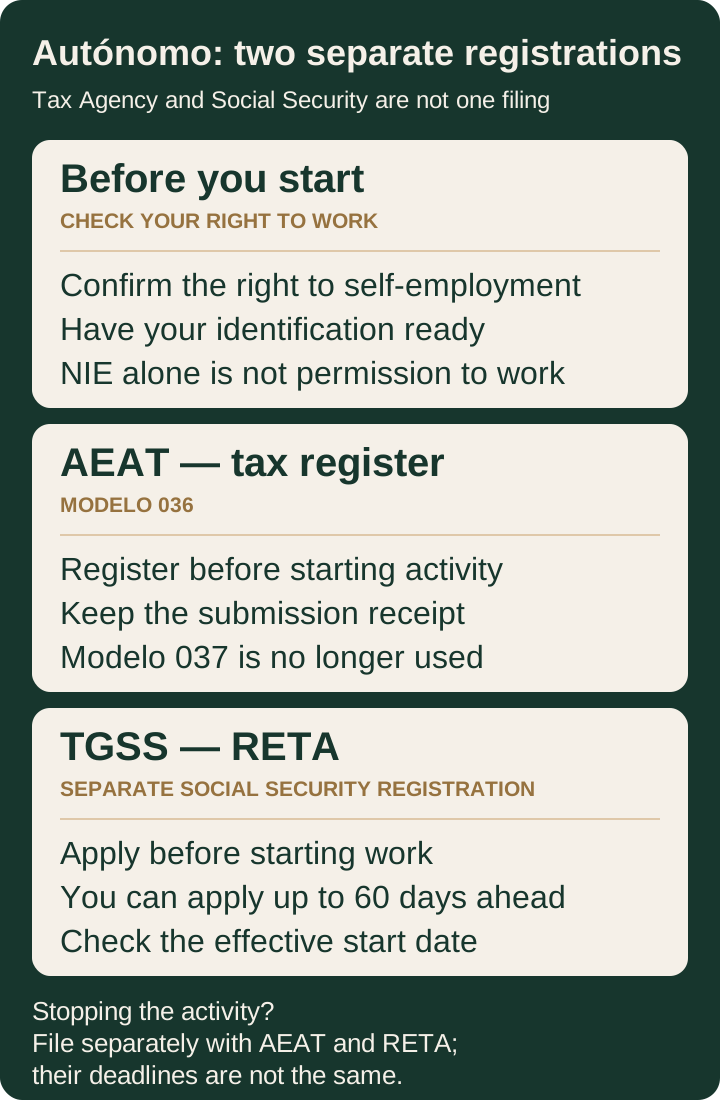
הרישום במרשם של רשות המסים הספרדית והרישום בביטוח הלאומי הספרדי הם הליכים נפרדים. הסדירו את שניהם לפני תחילת הפעילות.
שלב 1: רישום ברשות המסים הספרדית (Agencia Tributaria)
השתמשו ב-modelo 036 כדי להירשם במרשם העסקים, בעלי המקצוע והמנכים של רשות המסים הספרדית לפני תחילת הפעילות. Modelo 037 בוטל ב-3 בפברואר 2025; סיוע מפושט זמין כיום דרך modelo 036 עצמו. ראו את ההנחיות העדכניות של רשות המסים הספרדית ל-modelo 036.
הטופס דורש את סיווג ה-IAE המתאים לעבודה שלכם. היעזרו במאתר הפעילויות של רשות המסים הספרדית כדי לבדוק את הסיווג ואת חובות המס לפעילות הספציפית שלכם. אם אתם מספקים סוגי שירותים שונים, בדקו אם עליכם להצהיר על יותר מפעילות אחת. ראו את ההנחיות של רשות המסים הספרדית לסיווג פעילויות.
בדקו את אפשרויות ההגשה והזיהוי העדכניות בהנחיות רשות המסים הספרדית ל-modelo 036. אם אתם נעזרים בשירות מקצועי, ודאו איזו הרשאה נדרשת לו כדי להגיש בשמכם.
שמרו את אישור ההגשה. הגשת modelo 036 אינה רושמת אתכם בביטוח הלאומי הספרדי: עליכם לטפל ברישום ב-RETA בנפרד.
שלב 2: רישום בביטוח הלאומי הספרדי (Seguridad Social)
הגישו בקשה נפרדת ל-RETA, המשטר המיוחד של הביטוח הלאומי הספרדי לעובדים עצמאיים, דרך Importass: רישום לעבודה עצמאית. הגישו את הבקשה לפני תחילת הפעילות; אפשר לעשות זאת עד 60 יום מראש. במהלך הבקשה אתם מצהירים על ההכנסה נטו השנתית הצפויה שלכם ובוחרים בסיס לתשלום דמי הביטוח וכל הטבה שחלה עליכם.
עצמאים חדשים או חוזרים העומדים בתנאים רשאים לבקש דמי ביטוח מופחתים (cuota reducida); ההטבה אינה ניתנת אוטומטית. בקשו את ההפחתה הראשונית בעת הגשת בקשת הרישום. כל הארכה תלויה בהכנסה ובתנאים נוספים החלים עליכם. בדקו את הנחיות TGSS לדמי הביטוח לפני ההגשה.
מסרו IBAN מתקבל, דרך בנק או מוסד פיננסי המשתף פעולה עם הביטוח הלאומי הספרדי, לחיוב דמי הביטוח בהוראת קבע. אם החשבון שייך לאדם אחר, מסרו את פרטי הזיהוי של בעל החשבון ואת הרשאתו.
שלב 3: להתחיל לפעול באופן חוקי
שמרו את האישורים של שני הרישומים ובדקו את תאריכי התוקף שלהם לפני שאתם מתחילים. ודאו שגם ההיתרים בתחום ההגירה וההיתרים הייעודיים לפעילות נמצאים בידיכם. החשבוניות שלכם חייבות לעמוד בדרישות החשבוניות החלות.
הקימו מערכת הנהלת חשבונות בסיסית כבר מהיום הראשון. אפילו גיליון אלקטרוני פשוט שעוקב אחרי הכנסות והוצאות עוזר מאוד כשמגיע מועד הדיווח הרבעוני. autónomos רבים שוכרים gestor (יועץ מס) שיטפל בציות השוטף, אבל אפשר גם להסתדר לבד אם אתם מרגישים בנוח עם הליכי מס.
טעויות רישום נפוצות שכדאי להימנע מהן:
- אי-בדיקה של דרישות הזיהוי הנפרדות של AEAT ושל RETA
- בחירת קוד פעילות שגוי וצורך לתקן בהמשך
- הנחה שדמי ביטוח מופחתים ניתנים אוטומטית, במקום לבדוק זכאות ולהגיש בקשה בעת הרישום
- אי-בדיקה שחשבון הבנק להוראת הקבע מתקבל על ידי הביטוח הלאומי הספרדי
- הנחה שהרישום מקנה זכויות שהייה (הוא לא)
הבנת חובות המס והביטוח הלאומי שלכם
הרישום הוא רק ההתחלה. הבנת החובות השוטפות עוזרת להימנע מהפתעות ולשמור על ציות.
במסגרת השיטה הכללית, דמי הביטוח הלאומי נגזרים מבסיס שנבחר בתוך המדרגה התואמת להכנסה נטו החודשית הממוצעת הצפויה שלכם. דמי הביטוח הזמניים מיושבים בהמשך מול ההכנסה שמדווחת על ידי רשויות המס. עצמאים חדשים או חוזרים העומדים בתנאים רשאים לבקש דמי ביטוח מופחתים (cuota reducida); ההטבה אינה ניתנת אוטומטית. הארכה מעבר לתקופה הראשונית תלויה בעמידה בתנאי ההכנסה ובתנאים נוספים החלים עליכם. בדקו את כללי TGSS העדכניים ואת מחשבון דמי הביטוח בהתאם לנסיבותיכם. ראו את מדריך TGSS לדמי הביטוח וליישובם.
לא כל autónomo חייב להגיש modelo 130. בפעילות מקצועית, אין צורך בדוח מקדמות עבור אותה פעילות אם לפחות 70% מההכנסה של השנה הקלנדרית הקודמת הייתה כפופה לניכוי במקור או לתשלום על החשבון; בתחילת הפעילות, המבחן מתייחס לרבעון הרלוונטי. כאשר modelo 130 חל על פעילות מקצועית בשיטת האומדן הישיר, חשבו את ההכנסות ואת ההוצאות המותרות בניכוי באופן מצטבר מתחילת השנה הקלנדרית ועד סוף הרבעון, ופעלו לפי הוראות רשות המסים הספרדית בנוגע למקדמות קודמות, לניכויים במקור ולהתאמות אחרות. תשלומים אלה הם מקדמות על חשבון מס ההכנסה השנתי. ראו את הוראות רשות המסים הספרדית ל-modelo 130.
הגשת הדוח השנתי למס הכנסה מתבצעת לפי לוח הזמנים של תקופת הדיווח שקובעת רשות המסים הספרדית לשנת המס הרלוונטית. בדקו את מועדי ההגשה ואת המועד הנפרד להוראת קבע, אם קיים. כאשר modelo 100 חל עליכם, הוא מרכז את ההכנסות, את התשלומים על החשבון, את הניכויים ואת חבות המס הסופית. מעקב אחר ההוצאות לאורך השנה מקל על התהליך. ראו את לוח הזמנים של תקופת הדיווח למס הכנסה.
חובות המע״מ תלויות בפעילות שלכם, בעסקה ובמשטר החל. בדקו אם עליכם להגיש modelo 303, מהי תדירות ההגשה, והאם נדרש modelo 390 או שחל פטור מהגשה. בשירותים ללקוחות מחוץ לספרד, בדקו את כללי מקום העסקה ומי חייב לדווח על המע״מ. עסקה שאינה בתחולת המע״מ הספרדי, פטור ממע״מ וחיוב עצמי (reverse charge) אינם אותו דבר. היעזרו בכלים של רשות המסים הספרדית כדי לבדוק את העסקה שלכם. ראו את ההנחיות בנושא דוחות מע״מ ובנושא שירותים חוצי גבולות.
הוצאות עסקיות עשויות להיות מותרות בניכוי לצורכי מס הכנסה כשהן עומדות בדרישות החלות: עליהן להיות קשורות לפעילות, מגובות כראוי ורשומות בספרים או ברישומים הנדרשים. אל תניחו שציוד, עלויות טלפון או אינטרנט בשימוש מעורב, נסיעות או הוצאות משרד ביתי מותרות בניכוי במלואן. בדקו את שיעור הניכוי המותר ואת כללי הפחת או הכללים הייעודיים להוצאות בית. שמרו חשבוניות ורישומים תומכים. ראו את הדרישות להוצאה מותרת בניכוי ואת הכללים הייעודיים להוצאות שוטפות (חשמל, מים, גז, טלפון ואינטרנט).
תושבי חוץ העובדים כ-autónomos כפופים לכללי מס שונים בהתאם למעמד התושבות שלהם. רשות המסים הספרדית מפרסמת הנחיות ייעודיות למצבים אלה, שעשויות לכלול דרישות דיווח ושיעורי מס שונים.
| תקופה | חובה | טופס | מועד אחרון |
|---|---|---|---|
| חודשי | ביטוח לאומי | הוראת קבע | יום העסקים האחרון של החודש |
| רבעוני, אם נדרש | מקדמה על חשבון מס הכנסה | Modelo 130 | בדקו את לוח המסים העדכני ואת המועד להוראת קבע |
| רבעוני או חודשי, לפי העניין | מע״מ, אם נדרש | Modelo 303 | בדקו את לוח המסים העדכני ואת המועד להוראת קבע |
| שנתי, לפי העניין | דוח מס הכנסה | Modelo 100 | בדקו את לוח הזמנים של תקופת הדיווח לשנת המס הרלוונטית |
| שנתי, אם נדרש | סיכום מע״מ שנתי | Modelo 390 | בדקו את לוח המסים העדכני |
בדקו בלוח המסים העדכני של רשות המסים הספרדית את הדוח ואת השנה הרלוונטיים. מועדי הוראת הקבע עשויים להיות שונים ממועדי ההגשה.
איך E-Residence מפשטת את הרישום שלכם כ-autónomo
אפשר לטפל ברישום לבד, אבל כדאי להתכונן לכל מערכת בנפרד. בדקו את מסלול ההגשה העדכני, את אמצעי הזיהוי המתקבל ואת התמיכה בשפות בהליך. אם אתם זקוקים לסיוע פנים אל פנים, בדקו את זמינות התורים במקום להניח שביקור במשרד תמיד נדרש.
אקספט אחד תיאר את חוויית ההתמודדות שלו עם המערכות המנהליות בספרד:
“הבירוקרטיה הספרדית תשבור אתכם לפני שתחשל אתכם… אתם צריכים תור כדי לקבל את המספר, אבל אתם צריכים גם את המספר כדי לעשות את רוב הדברים שבשבילם אתם צריכים את התור. מערכת ההזמנות נפתחת באקראי, מתמלאת בערך ב-30 שניות, והרבה קישורים לא עובדים.”
המחסומים האלה אינם מונעים את הרישום, אבל הם בהחלט מאטים אותו ומעלים את רמת הלחץ.
ליווי מקצועי ברישום מסיר את נקודות הכאב האלה. שירותים כמו E-Residence מטפלים בהכנת המסמכים ובתקשורת מול הרשויות, ומוודאים שהכול מוגש נכון כבר בפעם הראשונה. אתם מוסרים את הפרטים שלכם באופן מקוון דרך ממשק באנגלית. הצוות מכין את כל הטפסים, מתרגם מסמכים במידת הצורך ומנהל את ההגשות ישירות מול רשויות המס והביטוח הלאומי בספרד.
התהליך הופך להיות: מעלים את המסמכים ← מקבלים אישור אימות ← ממתינים כמה ימי עסקים ← מקבלים את מספרי הרישום ואת המסמכים. בלי תורים, בלי דרישות שפה ספרדית ובלי להתמודד עם הודעות דחייה בגלל טעויות קטנות בטפסים.
אלפי פרילנסרים ונוודים דיגיטליים השתמשו בגישה הזו כדי לבסס מעמד עבודה חוקי בספרד בלי כאב הראש הבירוקרטי הרגיל. הזמן שנחסך והלחץ שנמנע מצדיקים לא פעם את עלות השירות, במיוחד כשאתם מנסים להתמקד בהקמת העסק עצמו ולא בהיאבקות בהליכים מנהליים.
רוב הלקוחות מדווחים שכל התהליך נמשך 5-7 ימי עסקים מההגשה הראשונית ועד קבלת מסמכי האישור הסופיים. השוו זאת ל-3-4 שבועות של ניסיונות עצמאיים הכרוכים בביקורים חוזרים במשרדים ובהגשות חוזרות של טפסים.
מה קורה אחרי הרישום?
הרישום מסמן את ההתחלה, לא את הסוף. כמה פעולות מיידיות יבטיחו שתתחילו נכון.
ראשית, הכינו את מערכת החשבוניות שלכם. בדקו אילו פרטי זיהוי, מספור חשבוניות וטיפול מיסויי נדרשים לעסקאות שלכם. לפני שאתם בוחרים תוכנה, ודאו שהגרסה הנוכחית וההגדרות שלה עומדות בדרישות החשבוניות בספרד החלות על הפעילות שלכם; שם של מוצר כשלעצמו אינו ערובה לעמידה בדרישות.
שקלו תעודה דיגיטלית אם בכוונתכם לטפל בהליכים ממשלתיים בעצמכם, ובדקו איזה אמצעי זיהוי כל שירות מקבל. FNMT מנפיקה תעודות דיגיטליות; בדקו את מסלולי אימות הזהות ואת דרישות המסמכים לתעודה שאתם מבקשים. ביקור פיזי אינו נדרש בכל מסלול, אבל המסלול הזמין תלוי במסמכים שלכם ובזכאותכם. לדוגמה, למסלול הזיהוי בווידאו של FNMT יש דרישות מסמכים משלו; אל תניחו שהוא זמין עם NIE בלבד.
שקלו למצוא gestor או רואה חשבון. בעלי המקצוע האלה מתמחים בציות למס בספרד, מטפלים בהגשות הרבעוניות ובדוחות השנתיים ומייעצים בנוגע לניכויים ולמבנה. העלויות נעות בדרך כלל בין €50 ל-€150 לחודש בהתאם למורכבות ולרמת השירות. autónomos רבים מתחילים בלי gestor ומנהלים בעצמם את הציות הבסיסי, ומוסיפים ליווי מקצועי ככל שהעסק גדל.
סמנו ביומן את מועדי ההגשה החלים עליכם. הגשה באיחור עלולה לגרור השלכות גם כשאין מס לתשלום. בדקו את הנסיבות שלכם וכיצד להסדיר את ההגשה, במקום להניח שתמיד חל אותו קנס. חוק המס הכללי מבחין בין מצבי איחור שונים.
בדקו אם עליכם להגיש modelo 130 עבור הרבעון שבו אתם מתחילים; אל תניחו שהתחלה באמצע רבעון מבטלת חובת הגשה. פעלו לפי ההוראות החלות לגבי החישוב ולגבי מועד ההגשה.
תכננו מראש את החובות השנתיות. בדקו איזו תקופת דיווח למס הכנסה מכסה את ההכנסות הראשונות שלכם ומתי להגיש modelo 100. אל תחשבו את המועד כמספר קבוע של חודשים מהרישום. מעקב אחר ההוצאות כבר מהיום הראשון יקל על הדוח.
אם אתם מפסיקים את כל הפעילויות העצמאיות שלכם, טפלו גם בביטול הרישום במרשם של רשות המסים הספרדית באמצעות modelo 036 וגם בביטול הרישום הנפרד ב-RETA מול הביטוח הלאומי הספרדי. הפסקת העבודה כשלעצמה אינה משלימה אף אחד מההליכים. השאלה האחרונה בשאלות הנפוצות שלהלן מסבירה את דרישות ההגשה הנפרדות ומדוע כדאי לבדוק את מועד סיום הרישום ב-RETA בפועל.
רשימת בדיקה ל-90 הימים הראשונים שלכם:
- ודאו שה-IBAN לחיוב דמי הביטוח בהוראת קבע מתקבל דרך מוסד פיננסי משתף פעולה
- הקימו מערכת חשבוניות בפורמט הספרדי הנכון
- קבעו שיטת מעקב אחר הוצאות
- סמנו את המועדים של הדוחות החלים עליכם
- החליטו אם לשכור gestor או לנהל את הדברים בעצמכם
- שקלו ביטוח אחריות מקצועית
- עדכנו את פרופיל הלינקדאין ואת הפרופילים המקצועיים שלכם במעמד העסקי החוקי
נקודות מפתח
RETA חל, ככלל, על פעילות עצמאית קבועה, אישית וישירה למטרת רווח. הכנסה נמוכה אינה פטור גורף, וסכום של חשבונית בודדת אינו מכריע את השאלה. בדקו את דרישות הרישום הנפרדות במרשם של רשות המסים הספרדית לפני שאתם מתחילים.
מדובר בשני רישומים נפרדים: רישום במרשם של AEAT ורישום ב-RETA מול הביטוח הלאומי הספרדי. ל-AEAT דרוש NIF, שאצל יחידים זרים הוא בדרך כלל ה-NIE; ל-RETA הכינו DNI או NIE ומספר NUSS/NAF. להכרה בזכאות לשירותי בריאות ולקצבאות הכספיות יש תנאים משלהן.
הכינו את פרטי הפעילות שלכם, את קודי ה-IAE וה-CNAE, את ההכנסה נטו הצפויה ו-IBAN מתקבל להוראת קבע דרך מוסד משתף פעולה. בדקו את פרטי ההגשה מול AEAT ומול RETA בנפרד מהיתרי ההגירה ומרישיונות מקומיים או ייעודיים לפעילות; רשימת הבדיקה לרישום אינה מחליפה את הבדיקות האלה.
במסגרת שיטת דמי הביטוח הכללית, הבסיס שלכם נקשר למדרגת הכנסה נטו משוערת, ודמי הביטוח הזמניים מיושבים בהמשך. דמי ביטוח מופחתים מותנים בזכאות ובהגשת בקשה; אין סולם תשלומים אוטומטי לכל autónomo חדש. תשלומי המס וחובות הדיווח תלויים בפעילות שלכם ובמשטר המס.
שירותי ליווי מקצועי מסירים מחסומי שפה ובלבול בירוקרטי, ומכווצים תהליך בן שבועות למספר ימי עסקים של הגשה ועיבוד מקוונים.
ציות שוטף פירושו מעקב אחר הדוחות והמועדים החלים עליכם, אחר דמי הביטוח הלאומי החודשיים ואחר כל חובת דיווח שנתית. תעדו הוצאות כבר מהיום הראשון ושמרו מסמכים תומכים.
שאלות נפוצות
האם אפשר להירשם כ-autónomo בלי לדבר ספרדית?
כן. אם אתם מטפלים בתהליך בעצמכם, בדקו את התמיכה בשפות, את ההוראות ואת מסלולי ההגשה המתקבלים בכל שירות. כלי תרגום או עזרה דו-לשונית יכולים לעזור לכם להבין את הטפסים, אבל עדיין כדאי לבדוק את המידע שאתם מוסרים ולתכנן כיצד תטפלו בהתכתבות ובדוחות בהמשך.
שירותי רישום מקצועיים פותרים את הבעיה הזו על ידי טיפול בכל התקשורת בספרדית ובהכנת המסמכים. אתם מתנהלים באנגלית בזמן שהם מנהלים את ההליכים מול הרשויות בספרדית. הגישה הזו מתאימה למי שרוצה מעמד חוקי בלי ללמוד את הטרמינולוגיה הבירוקרטית הספרדית. חלק מה-autónomos נרשמים בעצמם ואז שוכרים gestor דובר ספרדית שיטפל בציות השוטף.
כמה זמן באמת אורך תהליך הרישום?
לוח הזמנים תלוי בגישה שלכם. רישום עצמאי אורך בדרך כלל 2-4 שבועות מתחילת התהליך ועד קבלת האישור הסופי משתי הרשויות — רשות המסים הספרדית והביטוח הלאומי הספרדי. זאת בהנחה שכבר יש לכם NIE וכל המסמכים הנדרשים. עיכובים נובעים בדרך כלל מטעויות בטפסים המחייבות הגשה מחדש, מזמינות התורים במשרדי הביטוח הלאומי או מעומסי עיבוד בתקופות עמוסות.
שירותים מקצועיים מכווצים זאת ל-5-7 ימי עסקים ברוב המקרים. הם מכינים הכול נכון בפעם הראשונה ומשתמשים בערוצים מבוססים לעיבוד מהיר יותר. המשתנה העיקרי הוא השגת ה-NIE אם עדיין אין לכם — זה יכול להוסיף 1-3 שבועות בהתאם למיקום ולאזרחות שלכם.
תכננו לפחות חודש מלא אם אתם מתחילים מאפס בלי NIE. אזרחי האיחוד האירופי מתקדמים בדרך כלל מהר יותר מאזרחים שאינם מהאיחוד, בשל דרישות תיעוד פשוטות יותר.
האם עליי לשלם ביטוח לאומי מהיום הראשון לרישום?
כן. דמי הביטוח תלויים בתאריך התוקף של הרישום שלכם ב-RETA, ולא במועד שבו אתם מקבלים את ההכנסה הראשונה. רישום באמצע החודש אינו אומר תמיד תשלום עבור החודש המלא. לפי מדריך TGSS, אתם יכולים לבחור את תאריך תוקף הרישום עד שלוש פעמים בשנה אם אתם מגישים במועד; במקרים אלה אתם משלמים דמי ביטוח מיום הרישום. רישומים נוספים באותה שנה נכנסים לתוקף ביום הראשון של החודש שבו אתם מתחילים לעבוד, ודמי הביטוח מכסים את החודש המלא. אם אתם מגישים לאחר תחילת הפעילות, גם אז חל תשלום עבור החודש המלא. בדקו את תאריך התוקף שנרשם עבור הרישום שלכם.
דמי ביטוח מופחתים זמינים רק אם אתם עומדים בתנאים ומגישים בקשה. פיגורים בתשלום דמי הביטוח עלולים לפגוע בקצבאות כספיות; בדקו את מצבכם האישי מול הביטוח הלאומי הספרדי. מדריך TGSS מציין שדמי הביטוח מחויבים ביום העסקים האחרון של החודש דרך בנק או מוסד פיננסי משתף פעולה. ודאו שהחשבון שלכם מתקבל.
אי אפשר להשהות את דמי הביטוח בחודשים חלשים אלא אם מבטלים את הרישום באופן פורמלי. autónomos רבים שומרים על הרישום לאורך כל השנה, גם בתקופות חופשה או האטה זמנית בעבודה, מכיוון שתהליך ביטול הרישום והרישום מחדש מסורבל.
האם אפשר לעבוד כ-autónomo ובמקביל להיות מועסק בחברה?
בהחלט. החוק הספרדי מאפשר לשלב עבודה כשכירים עם פעילות כ-autónomo. אנשים רבים שומרים על משרה בשכר ומבצעים עבודות פרילנס בצד. תשלמו דמי ביטוח לאומי עבור שני המעמדים — המעסיק שלכם מטפל בדמי הביטוח של ההעסקה ואתם משלמים את דמי הביטוח כ-autónomo בנפרד.
כאשר modelo 100 חל עליכם, הוא מרכז הכנסות מעבודה שכירה ומעבודה עצמאית, יחד עם הניכויים החלים על הפעילות שלכם. כאשר הוא נדרש, modelo 130 מתייחס לפעילות העצמאית שלכם ולא לשכר מההעסקה; בדקו את החריג בנוגע לניכוי במקור בפעילות מקצועית שתואר למעלה.
חלק מחוזי ההעסקה כוללים סעיפי אי-תחרות המגבילים עבודת פרילנס באותו ענף. עברו על החוזה שלכם לפני הרישום כ-autónomo כדי להימנע מהתנגשויות. בדקו גם אם התפקיד שלכם כפוף להגבלות ספציפיות על עיסוק נוסף.
מה קורה אם אני מפסיק לעבוד — האם עליי לבטל את הרישום?
כן. אם אתם מפסיקים את כל הפעילויות העצמאיות שלכם, הגישו לרשות המסים הספרדית ביטול רישום במרשם (baja) באמצעות modelo 036. לגבי הפסקת פעילות, ההנחיות של רשות המסים הספרדית ל-modelo 036 קובעות מועד הגשה של חודש אחד ממועד ההפסקה. זהו מועד הגשה, ולא זמן עיבוד או המועד שבו דמי הביטוח הלאומי נפסקים.
בנפרד, בקשו את ביטול הרישום שלכם ב-RETA דרך Importass: ביטול רישום לעבודה עצמאית כשאתם מסיימים את כל הפעילויות העצמאיות שדיווחתם עליהן. בדקו את מועד ההגשה העדכני של אותו שירות; מועד החודש של רשות המסים הספרדית אינו חל על RETA.
אל תניחו שדמי הביטוח נפסקים בחודש שלאחר ההגשה. מועד סיום הרישום ב-RETA בפועל ודמי הביטוח האחרונים תלויים בשאלה אם הגשתם במועד, וברישומים ובביטולי רישום קודמים באותה שנה קלנדרית. בדקו את הנחיות TGSS בנוגע לרישומים ולביטולי רישום חוזרים ואת הרישום האישי שלכם. לפני ביטול רישום בשל הפסקה זמנית, בדקו גם את התנאים לכל הקלה בדמי הביטוח אם תירשמו שוב.